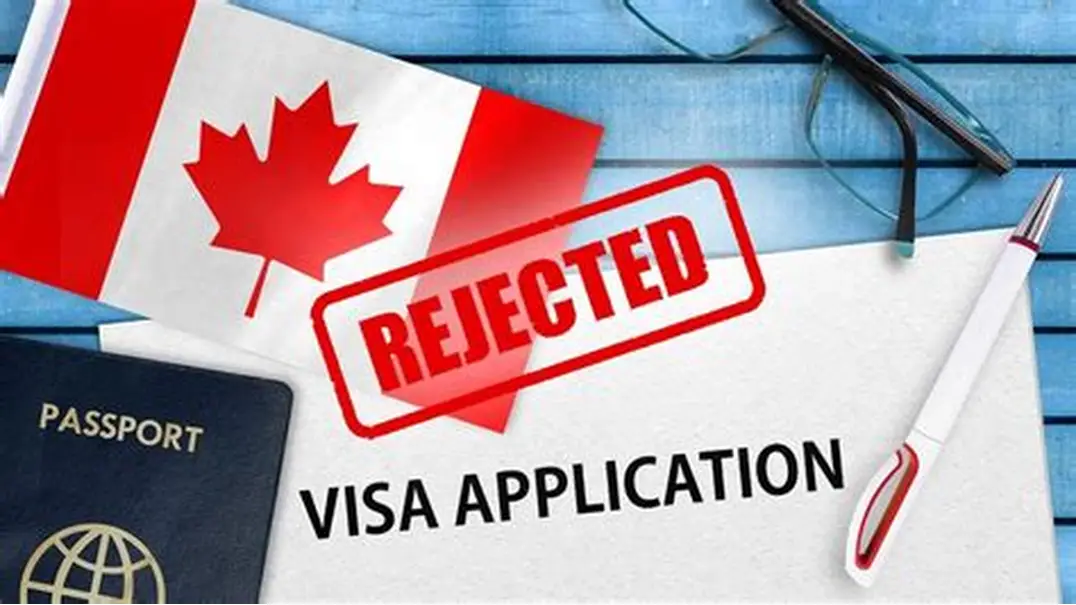
Common Reasons Study Permits Get Rejected
Applying for a study permit is an important step in your academic journey abroad. Many students put time. Effort. And money into their applications. Yet some still face rejection.
Understanding the common reasons study permits get refused can help you avoid costly mistakes and improve your chances of approval.
Below are the most frequent reasons study permits are rejected.
1. Insufficient Proof of Funds
One of the biggest reasons study permits are denied is weak financial evidence.
Immigration officers need to see clear proof that you can:
Pay your tuition fees
Cover your living expenses
Support yourself without illegal work
If your bank statements are inconsistent. Recently inflated. Or unclear. It raises red flags. Always ensure your financial documents are genuine. Traceable. And meet the required minimum amount for your chosen country.
2. Incomplete or Incorrect Documentation
Missing documents can lead to immediate refusal.
Common mistakes include:
Submitting expired passports
Forgetting required forms
Providing unsigned documents
Uploading unclear scanned copies
Always double check the official checklist for your destination country before submitting your application.
3. Weak Statement of Purpose
Your statement of purpose explains:
-
Why you chose the course
-
Why you selected the country
-
How the program fits your career goals
If your statement is vague. Generic. Or copied from online samples. It weakens your application. Immigration officers want to see a clear academic plan and logical career progression.
4. Lack of Strong Home Ties
Study permits are temporary visas. Officers must be convinced that you intend to return home after your studies.
If your application does not show strong ties to your home country. Such as family connections. Employment prospects. Or business commitments. It may be rejected.
You must clearly demonstrate that your main purpose is education. Not permanent migration.
5. Unclear Study Plan or Academic Gap
If your chosen program does not match your previous education or work experience. It can create doubt.
For example:
Switching to an unrelated course without explanation
Long academic gaps without valid reasons
Applying for a lower level program than your previous qualification
Always explain academic gaps honestly and logically.
6. Poor Visa Interview Performance
Some countries require interviews as part of the study permit process.
Common interview mistakes include:
Giving inconsistent answers
Showing little knowledge about your school or program
Appearing unsure about funding
Providing conflicting information
Preparation is key. You must be confident. Clear. And truthful.
7. Previous Immigration History Issues
If you have:
-
Overstayed a visa
-
Violated immigration rules
-
Been previously refused without addressing the reason
It can negatively affect your application.
Always disclose past refusals honestly and provide explanations where necessary.
How to Avoid Study Permit Rejection
To improve your chances:
-
Follow official guidelines carefully
-
Prepare complete and accurate documents
-
Ensure strong proof of funds
-
Write a clear and personalized statement of purpose
-
Seek professional guidance if needed
A well prepared application shows seriousness. Transparency. And genuine academic intent.












Caroline
Placerat dolor, lacus euismod amet vitae ac, sodales libero amet viverra leo sagittis et. Vel augue sem elit tristique tempor, nullam lectus, ullamcorper tellus lobortis a risus, feugiat felis vel aliquam quam nullam adipiscing. Erat tincidunt dis quis mi ut, vestibulum odio purus
Daniel
Lorem ipsum dolor sit amet, consectetuer adipiscing elit. Aeneanommodo ligula eget dolor. Aenean massa. Cum sociis natoque penatibus et magnis dis parturient montes, nascetur ridiculus mus.